

I Hit a Pothole… Now What?
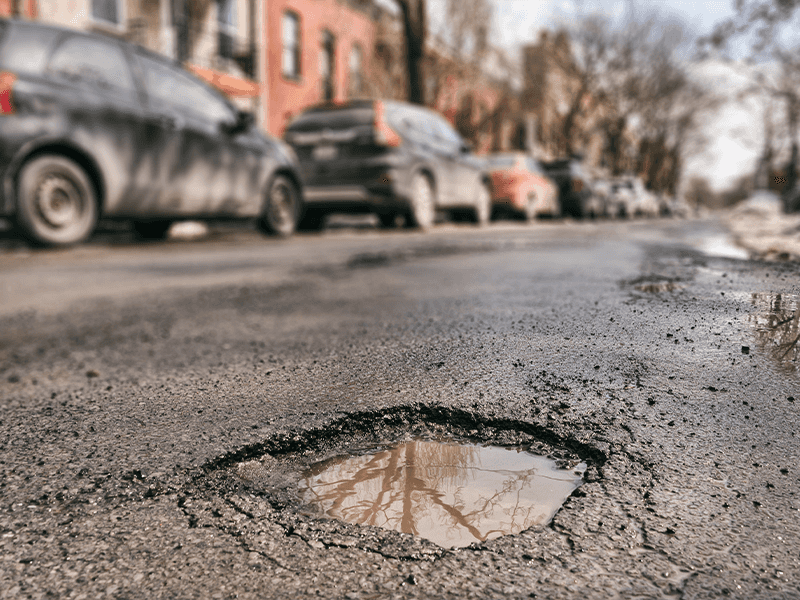
Ever hit an unexpected pothole and immediately turn down your music to “listen” to your car? That sudden thud, the quick glance at your dashboard with pursed lips, the internal stress thinking “that felt expensive…” It’s a shared experience for all drivers.
And here in Minnesota, it’s not exactly a rare occurrence. Between freeze-thaw cycles, rough winters, and roads that seem to change overnight, potholes are just part of the driving experience.
Not every pothole leads to serious damage. But knowing what to look for can help you catch issues early, protect your vehicle, and avoid bigger repairs down the road.
What Should You Do Right After Hitting a Pothole?
In the moment, most drivers do the same thing: keep going and hope for the best. And honestly, sometimes that’s fine. But taking a few extra seconds to check in with your vehicle can save you trouble later.
Here’s what to pay attention to:
- How Does Your Car Feel?
Notice any new vibrations, pulling, or changes in steering. Even subtle differences matter.
- Are There Any New Sounds?
Clunking, rattling, or humming noises can point to damage underneath your vehicle.
- Is Your Tire Pressure Warning Light On?
A sudden drop in pressure could mean a puncture or slow leak.
If something feels off, it’s a good idea to safely pull over and take a quick look. If everything seems normal, you’re probably okay, but it’s still smart to stay aware over the next few drives.
Common Damage to Watch For
Pothole damage isn’t always immediate. Sometimes it shows up miles down the road, which is why it helps to know the signs.
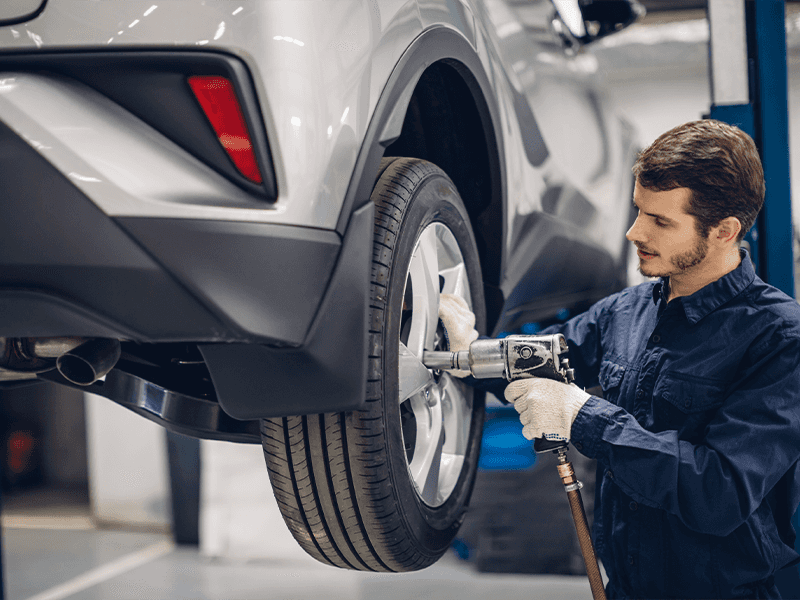
1. Tire Damage
Your tires are your vehicle’s first line of defense, and they take the full force of the impact.
Watch for:
- Bulges in the sidewall
- Visible cuts or cracks
- Gradual or sudden air loss
A bulge, in particular, is a sign of internal damage and usually means the tire needs to be replaced.
2. Bent or Damaged Wheels
A strong hit can bend your wheel (rim), even if the tire looks fine at first glance.
Signs include:
- Steering wheel vibration
- A wobbling feeling at higher speeds
- Slow air leaks that are hard to explain
Even a small bend can affect how your car handles over time.
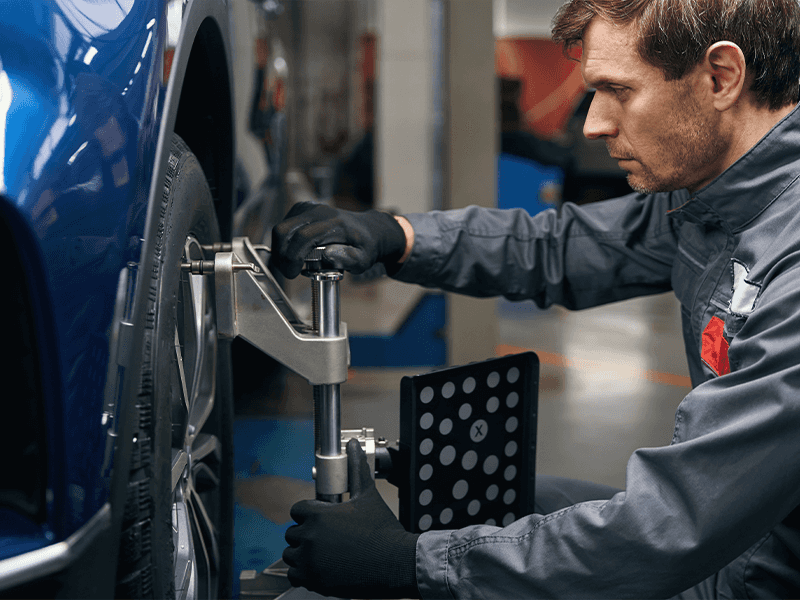
3. Wheel Alignment Issues
One of the most common (and most noticeable) pothole effects is misalignment.
If your car suddenly starts drifting left or right, or your steering wheel isn’t centered anymore, that pothole may have knocked things out of place.
Alignment issues don’t fix themselves, and driving on misaligned wheels can wear your tires down faster than you might expect.
4. Suspension Damage
Your suspension system is built to absorb bumps, but a deep pothole can push it past its limits.
Potential issues include:
- Worn or damaged shocks and struts
- Loose or broken components such as control arms and bushings
- A rougher, less controlled ride
If your car feels “off” over bumps or you hear clunking noises, your suspension could be the reason.
How Do You Fix Pothole Damage?
The right fix depends on what took the hit, but here’s what that typically looks like:
- Tire Repair or Replacement
For punctures, leaks, or sidewall damage
- Wheel Repair or Replacement
If your rim is bent or compromised
- Wheel Alignment
To restore proper steering and handling
- Suspension Inspection and Service
To identify and fix worn or damaged components
In many cases, the solution is simpler than drivers expect. Catching the issue early often means a quicker, more affordable fix.
Is It Safe to Keep Driving?
If your vehicle feels completely normal after hitting a pothole, you’re likely fine to continue driving.
But if you notice any of the following, it’s best not to ignore it:
- Persistent vibration
- Pulling to one side
- Unusual noises
- Changes in handling
- Tire pressure loss
Even small issues can lead to uneven tire wear, reduced control, and added strain on your vehicle over time.
Why Potholes Are So Common in Minnesota
If it feels like potholes show up overnight, there’s a reason for that.
Water seeps into small cracks in the road; freezes, expands, and then melts, over and over again. This constant cycle weakens the pavement until it eventually breaks apart under traffic.
Add in snowplows, road salt, and heavy use, and it’s easy to see why potholes are so common across Minnesota roads.
Can You Prevent Pothole Damage?
You can’t avoid every pothole, but you can reduce your risk:
- Keep Your Tires Properly Inflated
Under-inflated tires are more vulnerable to damage
- Slow Down on Rough Roads
Speed increases the impact force
- Watch For Puddles
They often hide deeper potholes underneath
- Give Yourself Space
Following too closely makes it harder to avoid road hazards
A little extra awareness can go a long way, especially during peak pothole season.
When Should You Get Your Vehicle Checked?
After hitting a pothole, it’s worth scheduling an inspection if you notice:
- Your steering wheel is off-center
- Your car pulls left or right
- You feel consistent vibration while driving
- Your tires are wearing unevenly
- Your ride feels rougher than usual
Addressing these issues early can help prevent more expensive repairs later and keep your vehicle driving the way it should.
Get Back to a Smoother Ride at Walser
Hitting a pothole happens. Dealing with the aftermath doesn’t have to be stressful.
At Walser, our service teams can quickly inspect your vehicle and pinpoint any issues, whether it’s a tire concern, alignment adjustment, or suspension check.
Schedule your service today and get back to driving with confidence. No second-guessing every bump in the road.
 5 Signs You Need Brake Service (And What It Costs to Wait) August 7, 2026 Brake problems don't announce themselves loudly until they're serious. A small issue left unaddressed can quickly become an expensive repair. But here's the good news: if you catch the warning…
Service, Tire Changes & Replacement
 What’s in My Budget: Finding a Vehicle Priced Under 10K June 25, 2024 Are you in the market for a new ride but working with a tight budget? No worries! Finding a reliable and affordable vehicle priced under $10K is possible, and we’re…
Under 10k, Used Vehicles
 Avoid the Sticker Shock. Buy Now Before Tariffs Take Effect! March 31, 2025 Major auto tariffs are set to take effect on April 3, and industry experts predict that new vehicle prices could rise by thousands. If you’ve been thinking about buying a…
New Vehicles, News, Used Vehicles
 Why Your Car Pulls to One Side (And How to Fix It) March 20, 2026 If your car drifts to the left or right while driving, you’re not imagining it. A vehicle pulling to one side is one of the most common issues drivers experience,…
Service, Tire Changes & Replacement, Wheel Alignment