

Can I Drive on a Flat Tire? What To Do and What to Avoid
If you’ve ever walked out to your car, spotted a sagging tire, and wondered, “Can I just drive it home?” You’re definitely not the only one. Flat tires never happen at convenient times. They happen when you’re already running late, carrying groceries, or just trying to get through your day. And honestly, the temptation to just “go a couple miles” is real.
But here’s the bottom line: driving on a flat tire is one of those things that seems harmless in the moment but can cost you big time down the road in both repairs and safety.
We’ll break down what really happens when you drive on a flat, how far you can safely move your car, and what to do instead. By the end, you’ll know exactly how to handle a flat tire without the guesswork or the stress.
Not sure if your tire is safe to drive on?A quick inspection can help you avoid further damage and give you a clear answer right away.
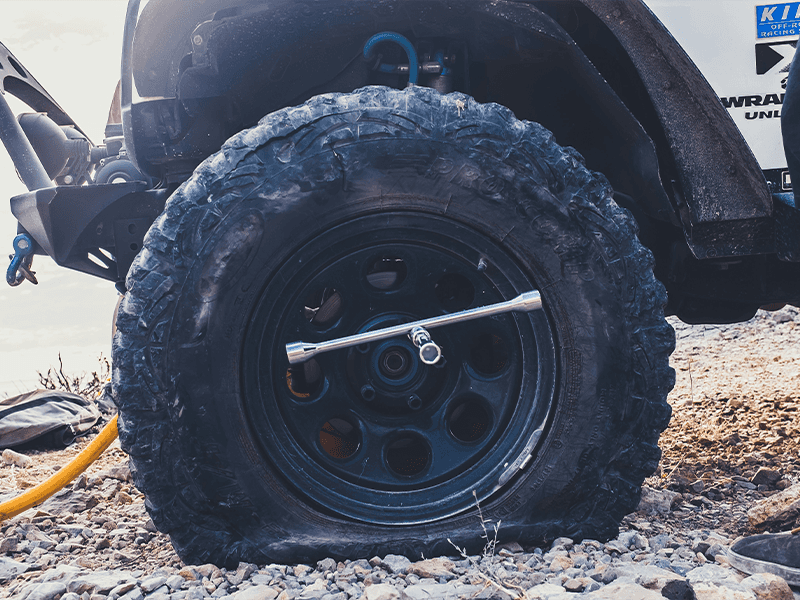
So…Can You Drive on a Flat Tire?
The short answer: You really should not.
A tire isn’t just a rubber donut around your wheel; it’s part of the system that keeps your car stable, responsive, and safe. When it’s flat, that system stops working the way it should, and your vehicle becomes harder to control.
Driving on a flat can:
- Damage your wheel
- Put strain on your suspension
- Destroy your tire beyond repair
- Harm sensors like TPMS (tire-pressure monitoring system)
- Reduce your ability to brake or steer safely
- Endanger you, your passengers, and other drivers that you are sharing the road with
What started as a simple, inexpensive patch can turn into a triple digit visit to the mechanic very fast.
If You Really Need To, How Far Can You Drive?
If you’re in a situation where you absolutely must move your car, you can, but keep it to a few feet, not a few miles. These scenarios could be moving to a nearby shoulder or parking lot if you are blocking lanes of traffic or are in an otherwise unsafe situation. By driving any further, you’re inviting a whole host of additional issues to plague your vehicle.
What to Do Instead
Once you’re safely out of the way:
1. Turn on your hazard lights. Minnesota weather can be unpredictable, and visibility matters.
2. Check the tire. Sometimes it’s a slow leak, sometimes it’s a full-on pancake.
3. Use your spare or tire repair kit if you’re comfortable doing so.
4. Call roadside assistance if you’re not.
5. Get the tire inspected or replaced. This is where your local Walser team can help get you back on the road quickly.
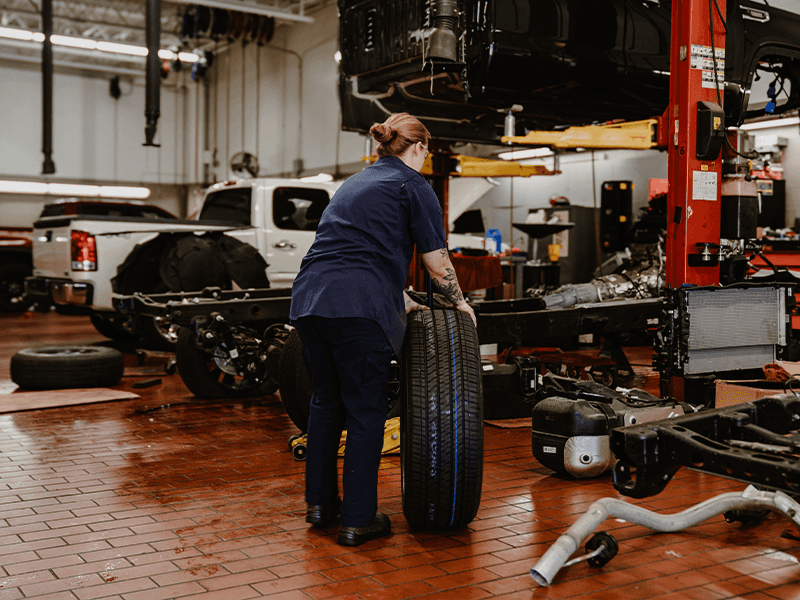
What If You Have Run-Flat Tires?
Some vehicles, especially newer models, come with run-flat tires. These are a type of tire with reinforced sidewalls that can go up to 50 miles at a reduced speed after losing pressure. They are helpful when you’re far from a service center or stuck in Minnesota’s chilly winter temps.
But, they’re still a temporary solution, not something to rely on for everyday driving.
How to Avoid Flats in the First Place
A little work on preventative measures goes a long way:
- Check your tire pressure once a month
- Avoid potholes (we know… easier said than done in Minnesota)
- Get regular tire rotations
- Watch for uneven wear
- Replace tires before they get too worn
These habits can save you money, headaches, and not-so-welcome roadside adventures.
When to Visit Walser
Whether you’re dealing with:
- A slow leak
- A sudden flat
- A question about your tire size
- Or you just want peace of mind before a road trip
Walser’s service teams across Minnesota are here to help. We’ll check your tires, repair what can be repaired, and help you find the right replacement if needed, all with upfront pricing and friendly service.
Flat tires are stressful, but fixing them doesn’t have to be.
 5 Signs You Need Brake Service (And What It Costs to Wait) August 7, 2026 Brake problems don't announce themselves loudly until they're serious. A small issue left unaddressed can quickly become an expensive repair. But here's the good news: if you catch the warning…
Service, Tire Changes & Replacement
 How to Change a Tire (Including When the Lug Nuts Won’t Budge) June 29, 2026 A spare tire is only useful if you know how to put it on, and that is worth learning before the day you actually need it. The job is straightforward:…
How-to, Safety, Service
 Selling Your Car Before Moving Out of State? Here’s How to Do It Without the Stress. February 25, 2025 The "Oh No, My Car" Moment Picture this: You’re knee-deep in moving boxes, drowning in packing tape, and questioning every decision that led to owning so many coffee mugs. Then,…
WalserBuysCars
 What’s in My Budget: Finding a Vehicle Priced Under 10K June 25, 2024 Are you in the market for a new ride but working with a tight budget? No worries! Finding a reliable and affordable vehicle priced under $10K is possible, and we’re…
Under 10k, Used Vehicles