

How Road Salt Impacts Your Vehicle (And What You Can Do About It)
Road salt keeps Minnesota roads safer in winter. It also accelerates corrosion.
If you plan to keep your vehicle long term, understanding how salt affects it is one of the simplest ways to protect your investment.
You don’t need a chemistry degree. You just need to know what’s happening and what actually helps.
Why Road Salt Causes Rust
Most road salt is sodium chloride. When it mixes with moisture and oxygen, it speeds up oxidation. That’s rust.
Salt does three things:
- It sticks to metal surfaces
- It attracts moisture
- It lowers the freezing point of water, keeping surfaces wet longer
That combination accelerates corrosion, especially on:
- Undercarriage components
- Brake and fuel lines
- Suspension parts
- Frame rails
- Rocker panels and wheel wells
- Exhaust Systems
Modern vehicles are built with corrosion resistance in mind. Many panels are galvanized. Protective coatings are applied at the factory. Drainage systems are designed into body panels. But Minnesota winters test those limits, year after year.
Why It’s Worse in Minnesota
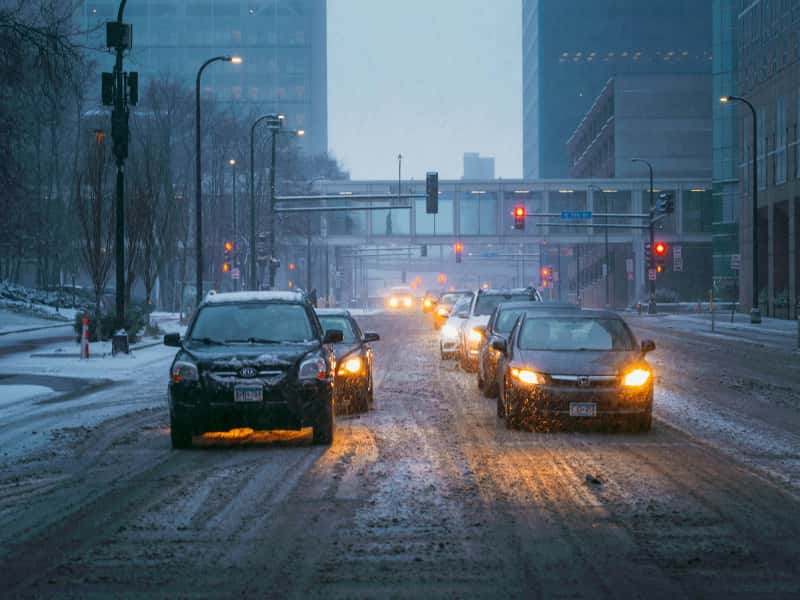
Minnesota winters create ideal rust conditions; freeze-thaw cycles, wet slush coating the underside of your vehicle, extended salt exposure, and looong winters.
Salt doesn’t just sit on the surface. It gets sprayed into seams, crossmembers, weld points, and mounting brackets. These areas are harder to rinse and slower to dry. By the time rust becomes visible, it has often been forming underneath for years. That’s why prevention matters more than reaction.
What Actually Helps
Protection is less about one product and more about consistent prevention. Here’s what makes a difference.
Wash The Undercarriage
A quick rinse isn’t enough. Salt collects underneath, where you rarely see it, so you need to be thorough. Use car washes with an underbody spray. During peak winter months, washing every couple of weeks and after major snow days helps reduce buildup. Removing salt matters more than polishing paint.
Protect the Exterior Surface
Wax or sealant adds a barrier between salt and clear coat. It reduces direct exposure and helps water to bead off rather than cling to the surface. Paint chips should be addressed early. A small chip on a rocker panel or wheel arch can become a rust spot quickly once salt reaches bare metal.
Consider Environmental Protection
For drivers who want added protection, Walser Automotive Group offers an Environmental Protection package through Walser Autoguard. This treatment is designed to help protect the exterior and underbody against:
- Weather
- Pollutants
- Rust and corrosion
- De-icing chemicals like road salt
It creates a protective barrier to slow corrosion caused by harsh Minnesota conditions.
No product eliminates rust completely. Corrosion is a natural process. But slowing that process can help preserve structural components and maintain long-term vehicle condition, especially in a climate like Minnesota’s.
For drivers planning on extended ownership, preventative protection can be a practical decision.
Protection Beyond the Surface
Winter driving affects more than body panels. Cold starts increase engine wear. Moisture affects electrical connections. Suspension components absorb repeated impacts from potholes and frost heaves. That’s why many drivers also consider coverage options like:
These don’t prevent corrosion directly. But they help manage long-term ownership costs in a climate that’s harder on vehicles.
Why This Matters
Rust doesn’t cause immediate failure. It causes gradual damage, such as brake line corrosion, suspension wear, frame deterioration, and lower resale value. The earlier corrosion is slowed, the longer the vehicle maintains structural integrity.
Prevention is easier (and cheaper) than repair.
If you’re unsure what protection makes sense for your vehicle, our team can inspect for early signs of corrosion and walk you through available options during your next service visit.
Schedule an appointment or visit your nearest Walser location.
 5 Signs You Need Brake Service (And What It Costs to Wait) August 7, 2026 Brake problems don't announce themselves loudly until they're serious. A small issue left unaddressed can quickly become an expensive repair. But here's the good news: if you catch the warning…
Service, Tire Changes & Replacement
 What It Means to Live in a Severe Weather State: Minnesota Edition September 16, 2025 When you hear the phrase “severe weather state,” it might sound a little overly-dramatic. But, if you’ve lived in Minnesota long enough, you know it’s just a way of life.…
Maintenance, Minnesota, Safety
 What’s in My Budget: Finding a Vehicle Priced Under 10K June 25, 2024 Are you in the market for a new ride but working with a tight budget? No worries! Finding a reliable and affordable vehicle priced under $10K is possible, and we’re…
Under 10k, Used Vehicles
 Avoid the Sticker Shock. Buy Now Before Tariffs Take Effect! March 31, 2025 Major auto tariffs are set to take effect on April 3, and industry experts predict that new vehicle prices could rise by thousands. If you’ve been thinking about buying a…
New Vehicles, News, Used Vehicles