

What It Means to Live in a Severe Weather State: Minnesota Edition
When you hear the phrase “severe weather state,” it might sound a little overly-dramatic. But, if you’ve lived in Minnesota long enough, you know it’s just a way of life. We joke that you can experience all four seasons in a single day here… but the truth is, our weather keeps us on our toes. One week you’re shoveling the driveway in a whiteout, the next you’re listening to tornado sirens while trying to get the kids from school.
So, what does it really mean to live in a severe weather state, and how does it shape daily life in Minnesota? Let’s take a closer look.
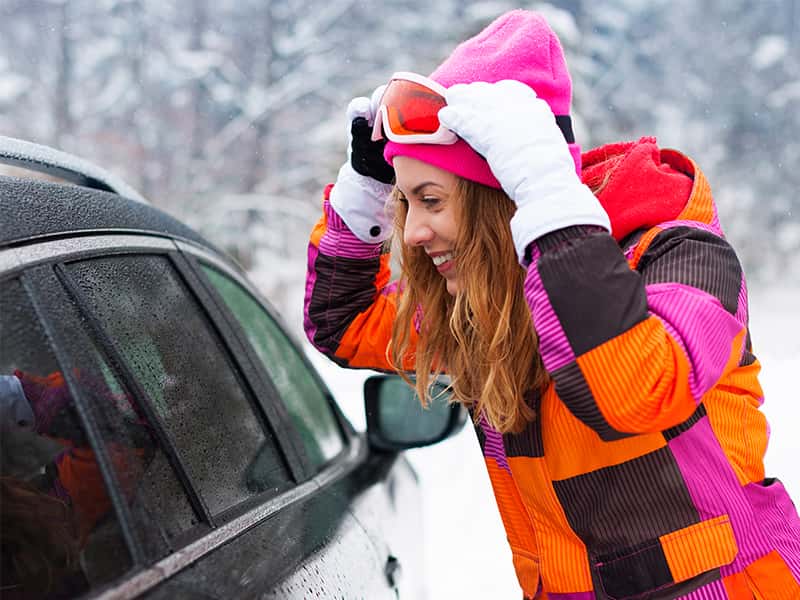
What Is a Severe Weather State?
A “severe weather state” is a place where big weather events are part of the rhythm of the year: thunderstorms that rattle the windows, snowstorms that shut down highways, cold snaps that sting your lungs the second you step outside. It’s not an official label, and you won’t see it marked on a map. But for Minnesotans, we wear it like bragging rights. Severe weather isn’t a matter of if. It’s a matter of when.
Why Minnesota Qualifies
The Storm Crossroads
We sit at the meeting point of warm, humid air from the south and cold, dry air from Canada. When those two systems collide, they pack a punch: thunderstorms, tornadoes, hail the size of golf balls.
Winters That Test You
Ask any Minnesotan about January, and you’ll get a knowing smile. We’re talking about blizzards that bury cars, ice that turns sidewalks into skating rinks, and wind chills that can freeze your eyelashes in minutes.
Flooding Risks
With our 10,000 lakes (and then some) plus the Mississippi running through, we know what it’s like to watch water rise too fast in spring.
Weather Whiplash
Ever left for work in a light jacket and needed a winter coat by dinner? We have seen 40 degree swings in a single day. It is tough on roads, sure, but even tougher on the people and cars that have to adapt to it.
In short: Minnesota checks every box. If the weather exists, we probably get it.
How Minnesotans Prepare
Preparedness here isn’t dramatic. It’s everyday life.
It’s checking the forecast over coffee and saying, “Looks like a storm tonight.” It’s knowing exactly where the basement shelter is when the sirens wail. It’s the winter kit in the trunk: blanket, shovel, jumper cables, snacks. Because we’ve all been stuck once and learned the hard way.
It’s stocking up without calling it stocking up. Groceries before a blizzard. Gas tank topped off before the deep freeze. The generator in the garage, ready to go if the lights flicker out. Less panic. More peace of mind.
And it’s community. Always community. Neighbors with extra shovels. Friends checking on Grandma when the cold snap hits. Strangers helping push cars out of snowbanks. Severe weather may be tough, but Minnesotans? Tougher.

Car Care in a Severe Weather State
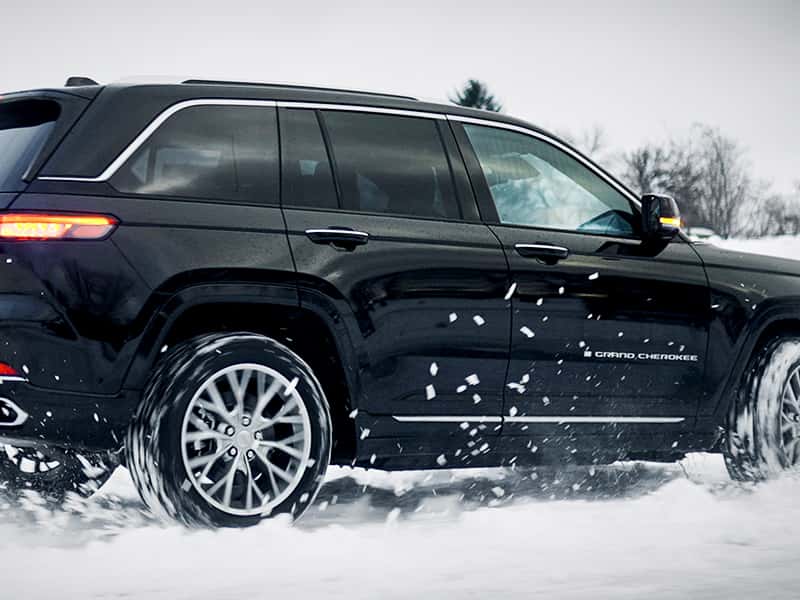
If you live in Minnesota, you know the weather doesn’t just test you… it tests your car too. From the salt that eats at your paint in January to the hail that shows up uninvited in June, our vehicles are basically on the frontlines of every season.
That’s why car care here feels less like a chore and more like part of the day to day. Think of it as giving your car its own winter coat, rain boots, and hockey helmet.
Protect Your Battery
Cold weather is one of the toughest challenges for your car’s battery. When the temperature drops, the chemical reactions inside a battery slow down, which reduces its ability to hold and deliver power. At the same time, your engine demands more energy to start in the cold. Put those two together and you have the perfect recipe for a dead battery on a January morning.
You may also notice a blue “cold engine” light on your dashboard after you start the car in freezing weather. This light is nothing to panic about. It simply means the engine has not warmed up yet. You do not need to sit and wait for it to turn off, but you should take it easy for the first few minutes on the road. Gentle driving, rather than heavy acceleration, gives your engine and battery a chance to warm up safely.
Insider Tip: Have your battery tested every fall. You can stop by any Walser location and we will check it for free in just a few minutes. If your battery is older than three years, consider replacing it before deep winter sets in. Carry a set of jumper cables or a portable jump starter in your trunk just in case.
Get Winter-Ready Tires
Tires are your first line of defense against winter roads. Cold air causes tire pressure to drop, which can reduce traction and make your tires wear unevenly. For every 10-degree drop in temperature, you lose about one PSI of pressure. Low tire pressure can also trigger your tire pressure light to come on more frequently in winter.
Insider Tip: Check your tire pressure weekly once temperatures drop. You should consider investing in winter tires or quality all-weather tires with deeper tread. Winter tires are made from rubber compounds that stay flexible in the cold, giving you much better grip on ice and snow.
Stay on Top of General Maintenance
Winter puts extra strain on your vehicle’s systems, so keeping up with basic maintenance is crucial.
- Oil changes: Cold weather thickens oil, making it harder to circulate. Fresh oil ensures your engine is lubricated and protected.
Schedule an Oil Change at one of our locations today. - Antifreeze: This keeps your engine from freezing. Make sure your coolant mixture is correct, usually a 50/50 blend of antifreeze and distilled water (most modern antifreeze is sold in 50/50 mixes already).
- Wipers and washer fluid: Replace your wipers in the fall, and use washer fluid rated for subzero temperatures. Summer fluid will freeze solid.
- Brakes: Wet, icy, or snowy conditions demand responsive brakes. Have them checked to make sure you are not starting the season with worn pads or rotors.
Insider Tip: Keep your gas tank at least half full during the winter. This helps prevent fuel lines from freezing and ensures you have enough fuel if you are ever stranded.
Light the Way
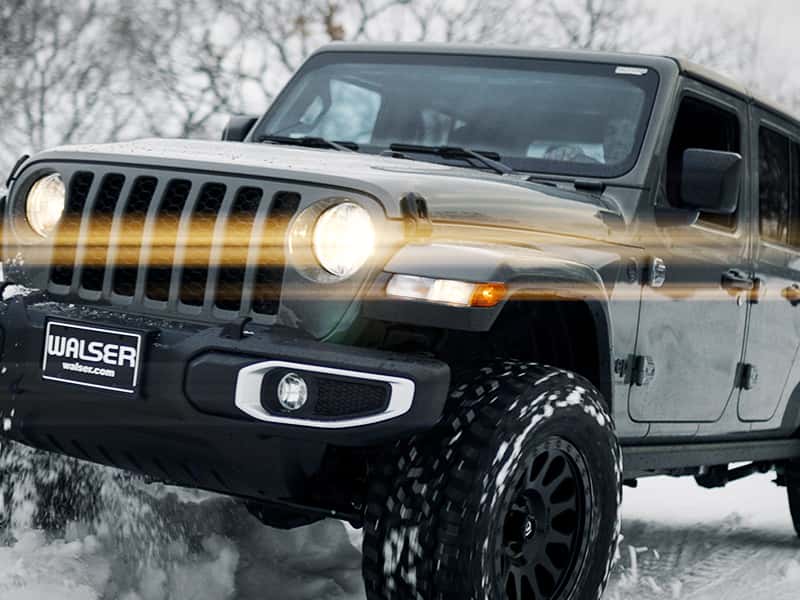
Winter means shorter days, longer nights, and weather that often makes visibility unpredictable. Snow squalls, freezing rain, and fog can turn a routine drive into a serious challenge if your headlights are not up to the task.
Consider upgrading to LED or HID headlights if your vehicle does not already have them. LEDs and HIDs are designed to project a brighter, whiter light that more closely resembles daylight. This makes it easier for your eyes to pick out obstacles on dark, icy roads and reduces fatigue during nighttime driving. They also last significantly longer than traditional halogen bulbs, so you are not left worrying about a burnt-out headlight in the middle of a snowstorm.
For an added layer of safety, look into vehicles equipped with adaptive headlights. These adjust the angle and brightness of the beams as you turn the steering wheel, giving you better visibility around corners and on winding roads. It is a small upgrade that makes a big difference when every second of reaction time counts.
Brighter Roads Ahead – Install LEDs Now!
Pack an Emergency Kit
Every Minnesotan knows the value of being overprepared. A well-stocked trunk kit can be the difference between a stressful situation and a manageable one.
Include:
- Blanket and extra gloves/hat (your hands will thank you when you are changing a tire at 10 below)
- Med kit with bandages and basic supplies
- Jumper cables or a portable jump starter
- Flashlight with fresh batteries
- Shovel and traction aids like sand or cat litter
- Non-perishable snacks and water
- A phone charger
Carry Snow Supplies
When winter hits hard, having the right tools within arm’s reach can make all the difference. A sturdy snow brush and a reliable ice scraper are non-negotiables, but there are a few extras that can save you a lot of time and frustration.
Think about adding:
- A compact shovel for digging out if you get plowed in or stuck. If you’re on a college campus though, go full-sized. Those snow plows love to bury cars, and once it all freezes over and you’re in a rush, a little foldable shovel will snap like a twig.
- A small bag of sand, salt, or even kitty litter to give your tires traction on ice.
- A pair of extra gloves for those times when you have to step out into knee-deep snow. Trust us, changing a tire in subzero temperatures is way less frustrating if you can feel your fingers.
Insider Tip: Keep your snow supplies in the backseat, not the trunk. Trunks can freeze shut or get buried under snow, leaving you without the very tools you need.
Extra Insider Tip: Choose an ice scraper with a built-in brush or extendable handle. It saves space, gives you better reach, and makes clearing off an SUV or truck way easier on your shoulders. And while we are on the subject, yes, you really do have to brush the snow and ice off your roof. Leaving it to “melt off” is not only lazy, it is dangerous. Once you start driving, those icy sheets turn into flying hazards for the people behind you.
Weathering Every Season Together
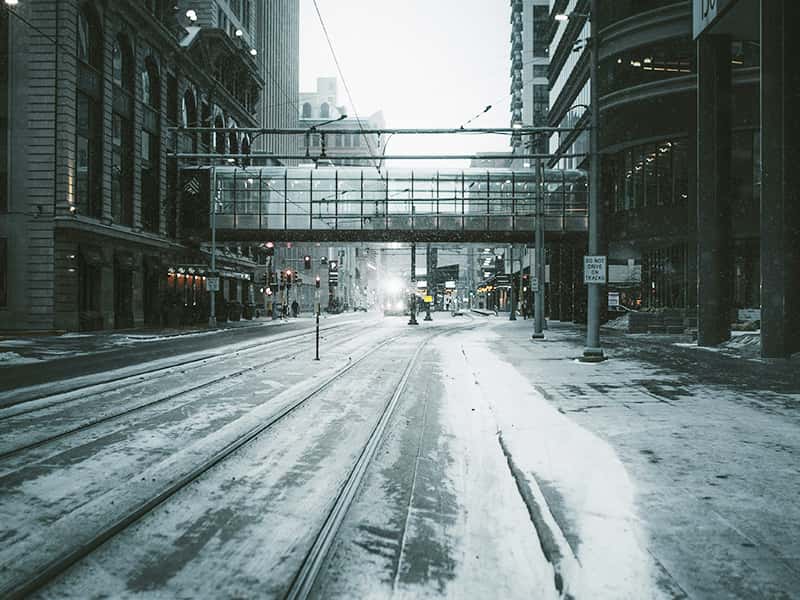
Living in a severe weather state like Minnesota means we do not just face the elements, we adapt to them. From batteries that struggle in the cold to headlights that cut through blizzards, every choice you make for your car is part of staying safe and ready for whatever the forecast brings.
Preparation here is not about panic. It is about peace of mind. It is the blanket in the trunk, the winter tires that grip the ice, and the headlights that turn night into day. It is knowing your car can handle the same extremes you do.
At Walser, we know the challenges of Minnesota weather because we live them too. Our team is here to help you stay ahead of the season with the right maintenance, upgrades, and advice to keep your car as tough as the state it drives in.
Minnesota weather is tough, but with the right car care, you can be tougher. Schedule your seasonal service with Walser today and make sure you are ready for whatever comes next.
Looking for more tips and resources? Check out our how-to guides and insider tricks to help you get the most out of every mile.
 Avoid the Sticker Shock. Buy Now Before Tariffs Take Effect! March 31, 2025 Major auto tariffs are set to take effect on April 3, and industry experts predict that new vehicle prices could rise by thousands. If you’ve been thinking about buying a…
New Vehicles, News, Used Vehicles
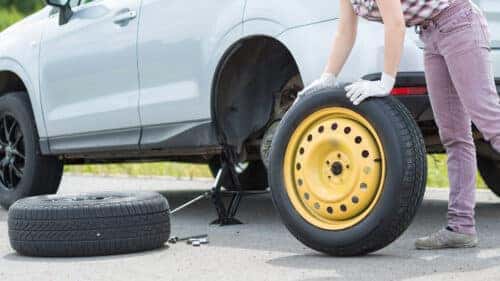 How to Change a Tire (Including When the Lug Nuts Won’t Budge) June 29, 2026 A spare tire is only useful if you know how to put it on, and that is worth learning before the day you actually need it. The job is straightforward:…
How-to, Safety, Service
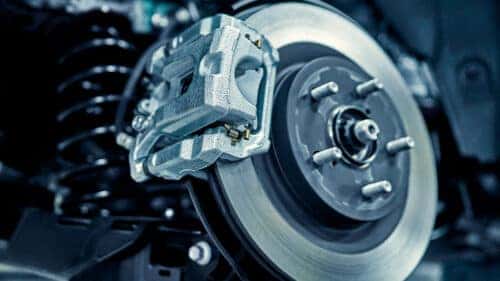 5 Signs You Need Brake Service (And What It Costs to Wait) August 7, 2026 Brake problems don't announce themselves loudly until they're serious. A small issue left unaddressed can quickly become an expensive repair. But here's the good news: if you catch the warning…
Service, Tire Changes & Replacement
 Walser Week of Giving 2026 Recap April 30, 2026 Some weeks you clock in, do the work, and clock out. And then there's Walser Week of Giving. This year, our stores and teams stepped out of their everyday roles…
Community Partnerships, Walser Automotive Group, Walser Foundation