

How to Safely Jump-Start a Car
Your vehicle’s battery plays a simple but critical role: it provides the power needed to start the engine and run key electrical systems.
Most of the time, it works quietly in the background.
But when a battery loses charge, your vehicle may not start at all. In harsh climates like Minnesota, where winter temperatures regularly drop below freezing, a weak battery can show up quickly and often without much warning. Knowing how to safely jump-start a car can help you get moving again while avoiding damage to your vehicle’s electrical system.
Here’s a simple guide to jumping a car safely, along with a few tips that are especially helpful for Minnesota drivers.
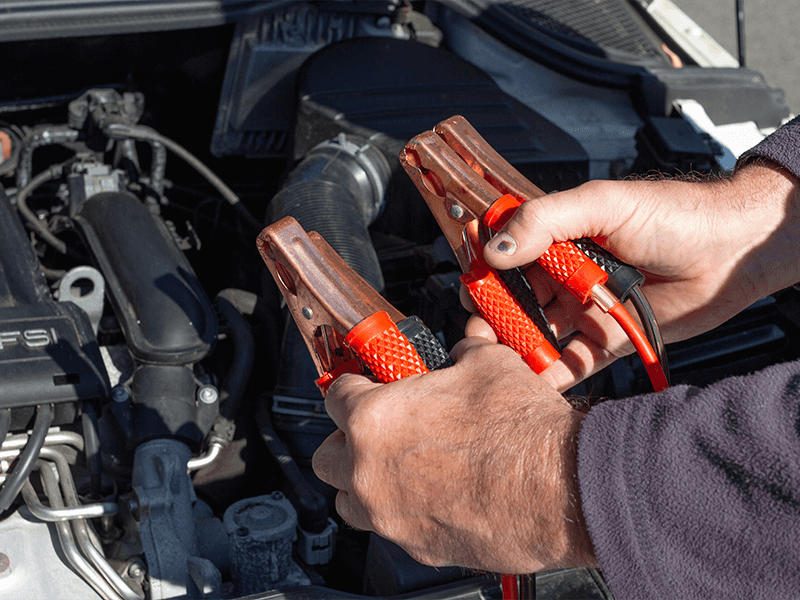
Signs Your Battery May Be Dead
A drained or weak battery often shows a few warning signs before the vehicle fails to start completely.
Drivers may notice:
- The engine cranks slowly when turning the key or pressing the start button
- Interior lights appear dim or flicker
- The dashboard lights come on, but the engine doesn’t turn over
- Clicking sounds when attempting to start the vehicle
Cold weather is one of the most common reasons batteries struggle. When temperatures drop, the chemical reaction inside the battery slows down, which reduces the amount of power it can deliver.
Combine that with the extra power needed to start an engine in freezing conditions, and it’s easy to see why winter mornings in Minnesota are a common time for dead batteries.
What You’ll Need Before You Start
Jump-starting a vehicle requires a few basic items:
- A set of jumper cables in good condition
- Another vehicle with a charged battery
- A safe place to park both vehicles
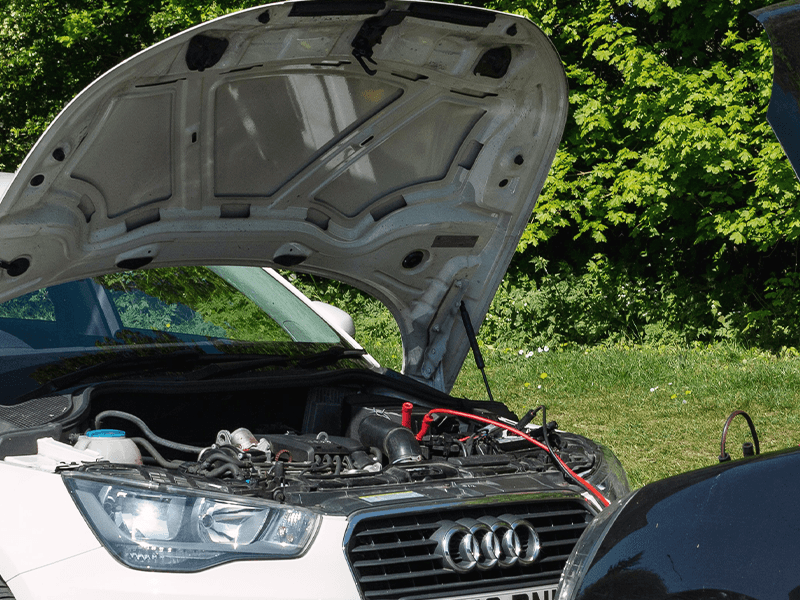
Position the vehicles so the batteries are close enough for the jumper cables to reach, but make sure the vehicles are not touching.
Turn both vehicles off and set the parking brakes before connecting any cables. If you’re on a snowy or icy surface, take a moment to ensure both vehicles are stable and safely parked before you begin.
How to Jump a Car Safely
Connecting the cables in the correct order helps prevent electrical damage and sparks.
Follow these steps carefully:
1. Attach the red (positive) cable to the dead battery.
Connect one end of the red cable to the positive terminal on the dead battery.
2. Attach the other red cable to the charged battery.
Connect the other red clamp to the positive terminal on the working battery.
3. Attach the black (negative) cable to the charged battery.
Connect one end of the black cable to the negative terminal on the working battery.
4. Ground the final connection.
Attach the remaining black clamp to an unpainted metal surface on the vehicle with the dead battery, such as a bolt on the engine block. Avoid connecting it directly to the negative battery terminal.
Once the cables are connected, start the vehicle with the charged battery first.
Let it run for a minute, then attempt to start the vehicle with the dead battery. If everything is connected properly, the vehicle should start.
Removing the Cables
After the vehicle starts, allow it to run for several minutes to begin recharging the battery.
Remove the cables in the reverse order of installation:
1. Remove the black cable from the grounded metal surface
2. Remove the black cable from the charged battery
3. Remove the red cable from the charged battery
4. Remove the red cable from the previously dead battery
Be careful to keep the clamps from touching each other during removal.
If possible, drive the vehicle for at least 15–20 minutes afterward. This gives the alternator time to recharge the battery, which can be especially helpful during colder Minnesota days when batteries need extra power.
Common Mistakes to Avoid
Jump-starting is simple, but a few mistakes can cause problems.
Drivers should avoid:
- Connecting cables to the wrong terminals
- Allowing clamps to touch during connection
- Jump-starting a battery that appears cracked, leaking, or frozen
- Attempting repeated jump-starts if the vehicle won’t start
Frozen batteries can occasionally happen during extreme winter conditions. If the battery case looks swollen or damaged, it’s safer to have the vehicle inspected instead of attempting a jump-start.
If the vehicle does not start after a few attempts, the issue may involve the starter, alternator, or another electrical component.
Why Dead Batteries Are More Common in Minnesota
Vehicle batteries typically last three to five years, but climate plays a major role in their lifespan.
In Minnesota, batteries experience:
- Extreme winter temperatures that reduce battery output
- Increased use of heaters, defrosters, and heated seats
- Short winter trips that don’t allow the battery to fully recharge
These conditions can put extra stress on a battery, especially if it’s already a few years old.
If your vehicle struggles to start during colder months, the battery may be nearing the end of its service life.
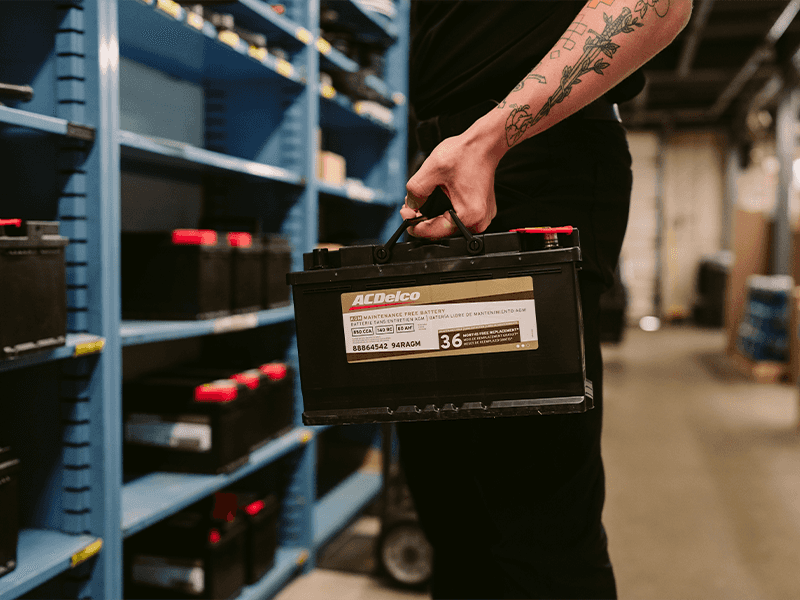
When It Makes Sense to Have the Battery Checked
A single dead battery after leaving the lights on isn’t unusual.
But if your vehicle struggles to start more than once, it’s worth having the battery and charging system inspected.
During a service appointment, technicians can check:
- Battery health and charge capacity
- Alternator output
- Terminal corrosion or loose connections
- Overall electrical system performance
Catching a weak battery before winter arrives can help prevent the frustration of a no-start situation on a cold Minnesota morning.
The Bottom Line
A dead battery can happen to any driver, but it’s particularly common during Minnesota’s colder months. Knowing how to jump a car safely can help you get back on the road quickly and avoid unnecessary damage to your vehicle.
If your vehicle struggles to start regularly or your battery is more than a few years old, scheduling a battery inspection can help prevent future problems.
Visit your nearest Walser service center to have your battery and charging system checked by our team of trained technicians.
 What It Means to Live in a Severe Weather State: Minnesota Edition September 16, 2025 When you hear the phrase “severe weather state,” it might sound a little overly-dramatic. But, if you’ve lived in Minnesota long enough, you know it’s just a way of life.…
Maintenance, Minnesota, Safety
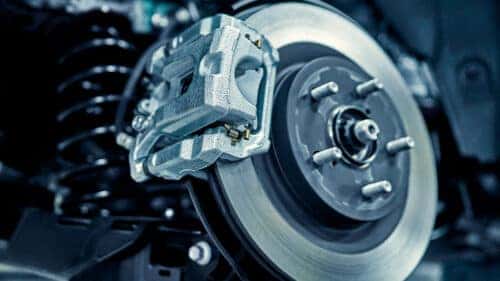 5 Signs You Need Brake Service (And What It Costs to Wait) August 7, 2026 Brake problems don't announce themselves loudly until they're serious. A small issue left unaddressed can quickly become an expensive repair. But here's the good news: if you catch the warning…
Service, Tire Changes & Replacement
 What’s in My Budget: Finding a Vehicle Priced Under 10K June 25, 2024 Are you in the market for a new ride but working with a tight budget? No worries! Finding a reliable and affordable vehicle priced under $10K is possible, and we’re…
Under 10k, Used Vehicles
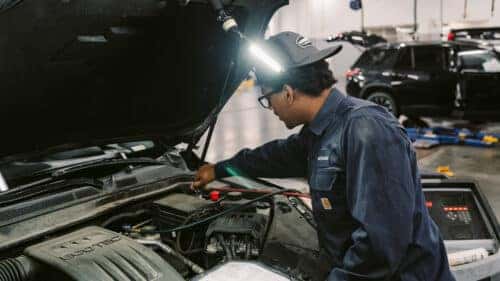 How Much Should a Car Battery Replacement Cost? March 4, 2026 Few things interrupt a normal day faster than a dead car battery. One moment you are heading out the door, and the next you turn the key only to hear…
Battery Replacement, Maintenance, Service