

The Air Pressure In Your Tires Makes A Difference In Their Safety And Longevity
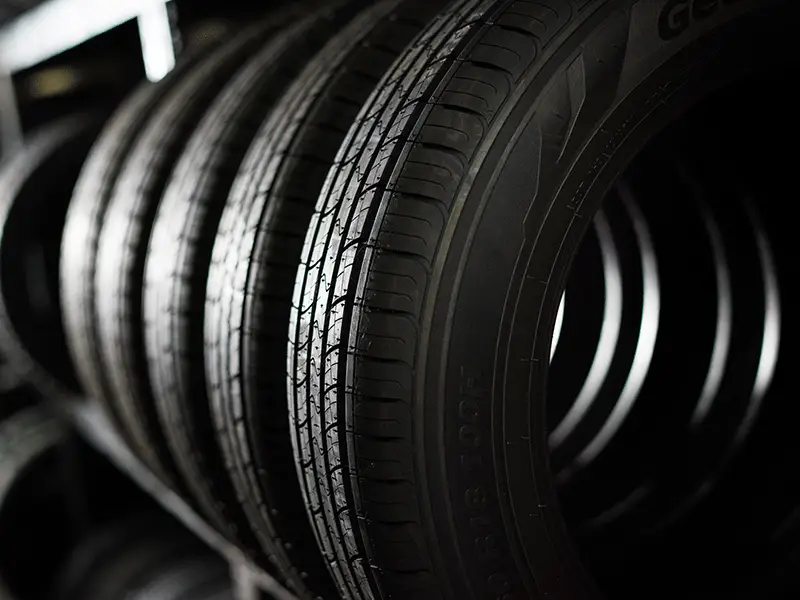
Your tires are one of the most crucial components of your vehicle. They’re the only part that makes direct contact with the road, bearing the full weight of your car and playing a major role in your vehicle’s handling, fuel efficiency, and overall safety. Given these responsibilities, it’s no surprise that tires endure significant wear and tear. And let’s face it, tires are not cheap to replace, which makes it even more important to maximize their lifespan and performance.
Why Tire Pressure Matters
Maintaining the correct tire pressure is essential for a number of reasons. If your tires are over-inflated or under-inflated, they are more prone to uneven and premature wear. Under-inflation can cause the sides or edges of the tire to wear out faster, while over-inflation can cause excessive wear down the center. Both of these conditions not only shorten the life of your tires but also increase the risk of a blowout, posing a serious safety risk. Additionally, incorrect tire pressure can negatively impact your vehicle’s fuel efficiency and handling, making for a less comfortable and more expensive drive.
How to Check and Maintain Tire Pressure
Regularly checking your tire pressure is one of the easiest yet most effective ways to ensure your tires last as long as possible. Here’s how to make sure you’re doing it right:
- Know the Recommended Pressure
The manufacturer’s recommended tire pressure can typically be found in your vehicle’s owner’s manual or on a sticker located inside the driver’s side door. It’s important to check this information before making any adjustments.
- Use a Quality Pressure Gauge
All you need is a good-quality tire pressure gauge. These are available at most auto stores, and some gas stations have air pumps equipped with pressure gauges.
- Check When Tires Are Cold
For the most accurate reading, check your tire pressure when the tires are cold, ideally before you’ve driven for the day. Driving heats up your tires, which can temporarily raise the pressure and give you a false reading.
- Top Off or Release Air as Needed
If the tire pressure is lower than recommended, add air until you reach the proper level. If it’s higher, carefully release some air by pressing the valve until you hit the correct pressure.
Additional Tire Maintenance Tips for Longevity
In addition to monitoring your tire pressure, there are a few more steps you can take to help your tires last longer and perform at their best:
- Tire Rotations
Rotating your tires every 5,000 to 8,000 miles ensures even wear and helps extend the life of your tires.
- Alignment Checks
Regular alignment checks help prevent uneven tire wear, reducing the risk of performance issues.
- Balancing: Having your tires balanced when needed can improve comfort and extend tire life by reducing vibrations.
Signs You Need a Tire Check
If you experience any of the following, it may be time to have your tires checked or serviced:
- The steering wheel pulls to one side while driving
- You feel vibrations while driving
- Your tire tread is uneven or significantly worn
- There’s a noticeable decrease in fuel efficiency
- You haven’t checked your tire pressure in a while
Let Walser Automotive Group Take Care of Your Tire Needs
Maintaining your tire pressure is a simple but crucial part of vehicle care. At Walser Automotive Group, we’re here to help. Whether you need a quick tire pressure check, a full tire rotation, or a new set of tires, our expert service team is ready to assist you.
If it’s been a while since your last tire maintenance, visit us today. Our skilled technicians can ensure that your tires are properly inflated, rotated, and aligned, giving you peace of mind and keeping you safe on the road.
 What’s in My Budget: Finding a Vehicle Priced Under 10K June 25, 2024 Are you in the market for a new ride but working with a tight budget? No worries! Finding a reliable and affordable vehicle priced under $10K is possible, and we’re…
Under 10k, Used Vehicles
 5 Signs You Need Brake Service (And What It Costs to Wait) August 7, 2026 Brake problems don't announce themselves loudly until they're serious. A small issue left unaddressed can quickly become an expensive repair. But here's the good news: if you catch the warning…
Service, Tire Changes & Replacement
 How to Change a Tire (Including When the Lug Nuts Won’t Budge) June 29, 2026 A spare tire is only useful if you know how to put it on, and that is worth learning before the day you actually need it. The job is straightforward:…
How-to, Safety, Service
 Avoid the Sticker Shock. Buy Now Before Tariffs Take Effect! March 31, 2025 Major auto tariffs are set to take effect on April 3, and industry experts predict that new vehicle prices could rise by thousands. If you’ve been thinking about buying a…
New Vehicles, News, Used Vehicles