

How to Read Tire Sizes
If you’ve ever looked at the side of your tire and thought, “What on earth do all those numbers mean?” you’re not alone. Most folks don’t spend their weekends studying tire codes, and that’s okay. But here’s the thing, knowing how to read a tire size can save you money, keep your car running smoothly, and give you peace of mind when it’s time to buy new ones.
We’ll walk through what those numbers and letters mean, why they matter, and where to find the right size for your vehicle. By the end, you’ll be able to look at a tire and know exactly what you’re dealing with. No guesswork, no stress.
Tires looking worn or unsure about your size?Get a quick inspection and expert recommendation in minutes.
What Those Numbers Actually Mean
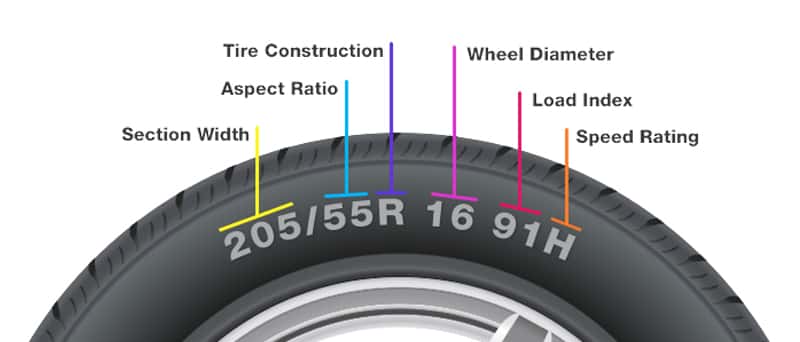
Let’s break down P215/65R16 95H, a common size you might see.
P = Passenger Vehicle Tire
This tells you what type of vehicle the tire is made for. Most cars and SUVs use “P.” If you see “LT,” it means light truck.
215 = Tire Width
This number shows how wide the tire is in millimeters, measured from side to side. A wider tire can give you more grip on the road, while a narrower tire can help with fuel efficiency.
65 = Aspect Ratio
This is the height of the tire’s sidewall compared to its width. A 65 ratio means the sidewall is 65 percent as tall as the tire is wide. Lower numbers usually mean a sportier ride, while higher numbers give you more cushion and comfort.
R = Radial Construction
The “R” stands for radial, which describes how the layers inside the tire are built. In a radial tire, the internal cords run straight across from side to side, and then extra layers are added around the tread for strength. This design helps the tire stay flexible where it needs to (the sidewall) and strong where it counts (the tread).
Why does this matter? Radial tires last longer, give you a smoother ride, and improve fuel efficiency compared to older bias-ply tires. In fact, almost every tire on the road today is radial because they handle everyday driving better and wear more evenly.
16 = Wheel Diameter
This shows the size of the wheel the tire fits, measured in inches. In this case, the tire fits a 16-inch wheel. This number has to match your wheel size.
95H = Load Index and Speed Rating
The “95” is the load index. This number tells you how much weight a single tire can safely carry when properly inflated. In this case, 95 means about 1,521 pounds per tire. Multiply that by four and you can see how it adds up to support the entire weight of your vehicle, plus passengers and cargo. Choosing a tire with too low of a load index could mean the tires are overstressed, which can lead to faster wear or even failure.
The “H” is the speed rating. Each letter represents the maximum speed the tire is built to handle under safe conditions. An “H” rating means the tire can manage speeds up to 130 mph. While most people never drive that fast, the speed rating also reflects the tire’s overall performance. A higher rating often means better handling and responsiveness, while a lower rating might be fine for everyday commuting. For context, speed ratings go all the way up to “Y,” which is designed for performance tires at 186 mph and beyond. That makes “H” a solid middle ground, common on sedans and crossovers.
Why does this matter? Together, the load index and speed rating make sure your tires match the weight and performance needs of your vehicle. It’s less about pushing your car to the limit and more about making sure your tires stay safe and reliable in normal driving.
What about winter tires?
You might notice that winter tires sometimes have a slightly lower speed rating than your regular all-season tires. That doesn’t mean they’re unsafe. Winter tires are designed with softer rubber and unique tread patterns to stay flexible and grip better in freezing temperatures, ice, and snow. The tradeoff is they’re not meant for high speeds or hot pavement. As long as the load index matches what your vehicle needs, a lower winter speed rating is completely normal and safe for cold-weather driving.
Why It Matters
Choosing the right tire size is more than just fitting it on the wheel. The correct size ensures safe handling, helps maintain fuel efficiency, and prevents premature wear. The wrong size can lead to rough rides, uneven tread life, and even safety risks.
Where to Find Your Tire Size
You can find the recommended tire size for your vehicle in a few places:
- On the sticker inside the driver’s side door jamb.
- In your owner’s manual.
- On the sidewall of your current tires.
Pro Tip: Compare with Confidence
Once you know your tire size, you can filter and compare options quickly. Instead of guessing, you’ll be able to focus on the features that matter most, like tread life, seasonal performance, and price.
Walser Makes It Easy
Finding the right tires doesn’t have to be complicated. You can search by your vehicle and instantly see the correct sizes that fit. Our certified technicians are ready to install your new tires and keep you rolling with confidence.
Check Out Current Service Specials
Before you buy, take a look at our Service Specials. From tire offers to maintenance packages, you might find extra savings that make your visit even better. And if you’d rather talk it through in person, stop by any Walser location.
Our team is here to help you choose the right tires and make sure they’re installed the right way.
Disclaimer: Information in this article is for general educational purposes only. Always follow your vehicle manufacturer’s recommendations for tire size, load index, and speed rating. For personalized guidance, consult your owner’s manual or speak with a certified technician at one of our Walser locations.
 5 Signs You Need Brake Service (And What It Costs to Wait) August 7, 2026 Brake problems don't announce themselves loudly until they're serious. A small issue left unaddressed can quickly become an expensive repair. But here's the good news: if you catch the warning…
Service, Tire Changes & Replacement
 How to Change a Tire (Including When the Lug Nuts Won’t Budge) June 29, 2026 A spare tire is only useful if you know how to put it on, and that is worth learning before the day you actually need it. The job is straightforward:…
How-to, Safety, Service
 What’s in My Budget: Finding a Vehicle Priced Under 10K June 25, 2024 Are you in the market for a new ride but working with a tight budget? No worries! Finding a reliable and affordable vehicle priced under $10K is possible, and we’re…
Under 10k, Used Vehicles
 New Tires: What They Cost and What Nobody Tells You June 18, 2026 Tires are the only part of your car that ever touches the road. Four patches of rubber doing all the work of stopping, steering, and keeping you planted in the…
Safety, Tire Changes & Replacement, Wheel Alignment