

How Often Do I Need to Change My Oil?
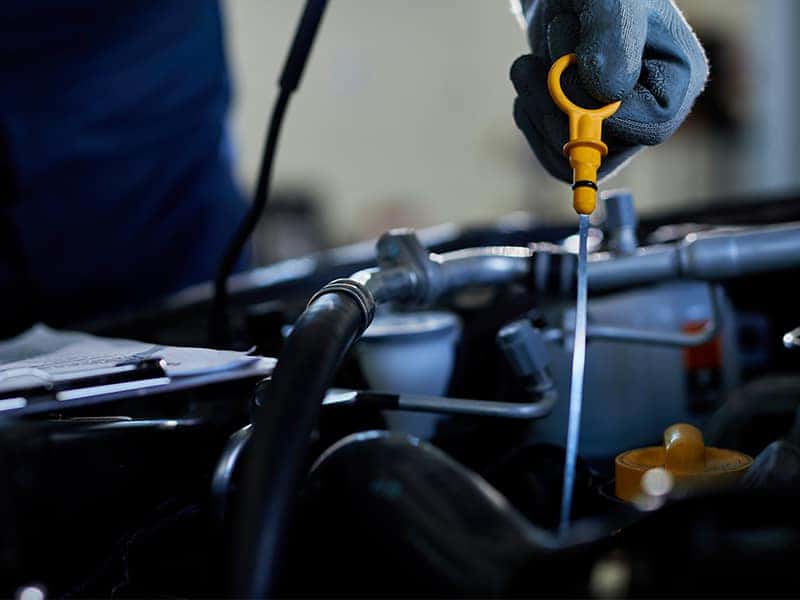
You probably didn’t wake up today planning to think about motor oil.
You were thinking about your schedule, getting to work on time, school drop-offs, the grocery list, or whether you actually have enough gas to make it home. Then you stop at a light, glance at your dashboard, and there it is.
A small reminder. Maybe a wrench icon. Maybe a percentage. Maybe the words “maintenance required.”
And suddenly you feel a tiny wave of panic.
Wait… was I supposed to do something already?
Did I miss it?
How bad is this?
You try to remember the last time you got an oil change. Was it before winter? Before that road trip? Was it 3,000 miles? 5,000? 10,000? And the bigger question quietly sits in the back of your mind:
Am I damaging my car without realizing it?
Here’s the truth: almost nobody was ever actually taught this stuff. Most drivers learn car maintenance from quick advice, old rules, or a sticker on the windshield. Modern vehicles don’t really follow those old rules anymore.
If your maintenance light just came on and you’d rather have someone check it than keep wondering, you can schedule service online and we’ll take a look for you. Even if it turns out you still have time, you’ll leave knowing exactly where you stand.
“How often do I need to change my oil?” is one of the most searched car questions because people want to take care of their car, they just want a clear answer they can trust.
So let’s make this simple.
Not sure if it’s time for an oil change?Get a quick inspection and expert recommendation in minutes.

The Short Answer
Most modern vehicles need an oil change every 5,000 to 7,500 miles, or about every 6 months, whichever comes first.
Some vehicles using full synthetic oil can safely go up to 10,000 miles, but that depends on how and where you drive. The real answer is less about a single number and more about your driving habits, your engine, and your oil type.
Why the 3,000 Mile Rule Isn’t Really True Anymore
For decades, drivers were told to change their oil every 3,000 miles. That advice wasn’t wrong at the time. Older engines ran hotter, oil broke down faster, and fuel systems were far less precise. Oil simply didn’t last very long.
Modern engines are different.
Today’s vehicles use tighter tolerances, advanced fuel injection, and synthetic oils designed to withstand extreme temperatures. Many cars now track your driving behavior in real time. Instead of a fixed mileage, your vehicle’s maintenance system calculates oil life based on cold starts, idle time, trip length, and engine load.
In other words, your car knows if you do short school runs in winter or long highway drives every day. Those two drivers do not use oil at the same rate, and your vehicle adjusts accordingly.
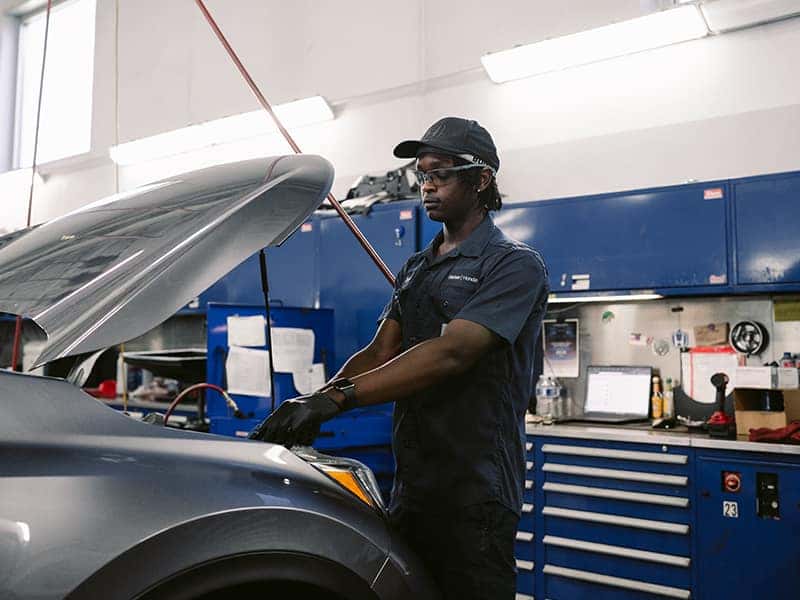
What Actually Makes Oil Wear Out?
Oil doesn’t just get used. It slowly loses its ability to protect your engine.
Inside your engine, oil has one job: reduce friction. Metal parts move thousands of times per minute, and oil creates a protective barrier between them. Over time, heat breaks it down and contaminants build up. Moisture from short trips, microscopic metal particles, and fuel residue all mix into the oil.
When oil ages, it thickens and loses its lubrication ability. Instead of protecting the engine, it starts allowing wear.
This is why waiting too long between oil changes can cause expensive problems. Not immediately. Not dramatically. Slowly.
Engines rarely fail the day after you skip an oil change. What happens instead is premature wear, reduced fuel efficiency, rougher operation, and eventually costly repairs that feel sudden but were actually building for months.
An oil change is inexpensive maintenance that prevents expensive maintenance.
How Your Driving Affects Oil Change Frequency
If you mainly drive on highways, your oil lasts longer because the engine stays at a consistent temperature and burns off moisture and contaminants.
If you take short trips, idle often, or drive in Minnesota winter, oil wears out faster. Short drives never allow the engine to fully warm up, which leaves condensation and fuel dilution inside the oil.
This is why two people can own the exact same vehicle and need oil changes at different intervals.
Instead of watching only your mileage, watch your dashboard oil life indicator. Manufacturers design it specifically for your engine and your driving conditions.
What Happens If You Wait Too Long?
Most drivers won’t notice a problem right away, and that’s why it’s easy to postpone.
But internally, old oil loses its ability to carry heat away from engine components. Sludge can begin forming. Moving parts experience microscopic wear. Over time that can lead to oil consumption issues, timing component wear, or engine damage.
The reason service advisors care so much about oil changes isn’t because it is a big repair. It is because it prevents big repairs.
A routine oil change helps your engine last longer, run smoother, and maintain fuel efficiency. It also protects resale value because consistent maintenance history matters when you trade or sell your vehicle.
Synthetic vs Conventional Oil
Most newer vehicles now require synthetic oil. Synthetic oil resists breakdown better, performs in extreme temperatures, and protects turbocharged engines more effectively. That is why modern oil change intervals are longer than they used to be.
Even though synthetic oil lasts longer, it still eventually degrades. The longer interval does not mean ignore it. It means you have more flexibility while still protecting your engine.
Why It Matters
An oil change is one of the simplest services you can do, but it has one of the biggest impacts on the life of your vehicle. It protects engine components, maintains performance, improves fuel efficiency, and helps prevent major repairs later.
It is not really about the oil. It is about keeping your car reliable.
Taking care of the small maintenance items now helps avoid the big ones later.
If you are unsure when your last oil change was, now is a good time to schedule your next service visit.

Frequently Asked Questions
How often should you get an oil change?
Most vehicles need an oil change every 5,000 to 7,500 miles, but it can vary based on your driving habits, vehicle type, and conditions. If you drive in extreme weather or stop-and-go traffic, you may need service sooner.
How many miles can I go past an oil change?
Most vehicles will not be damaged if you go a little over your recommended interval. Being a few hundred miles late is very common and usually not a problem.
Where issues start is when it becomes a habit. Driving 1,000 miles or more past the recommendation, especially more than once, allows oil to break down and stops it from properly protecting the engine. That wear does not show up right away, but it shortens engine life over time.
If you are slightly overdue, you are okay. Just schedule service soon and get back on a regular interval.
Do I still need an oil change if I do not drive much?
Yes. Oil breaks down over time due to moisture and temperature changes. Even low-mileage vehicles should have oil changed about every 6 months.
Can I wait until the oil light comes on?
The oil pressure warning light indicates a serious issue and should not be used as a maintenance reminder. The oil life monitor or maintenance reminder is the correct indicator.
Does synthetic oil last longer?
Yes. Synthetic oil resists breakdown, performs better in extreme temperatures, and allows longer service intervals than conventional oil.
How long does an oil change take?
Most oil changes take 30 to 60 minutes depending on service volume and inspection time.
Due for an oil change?Schedule service in just a few minutes.
 5 Signs You Need Brake Service (And What It Costs to Wait) August 7, 2026 Brake problems don't announce themselves loudly until they're serious. A small issue left unaddressed can quickly become an expensive repair. But here's the good news: if you catch the warning…
Service, Tire Changes & Replacement
 How to Change a Tire (Including When the Lug Nuts Won’t Budge) June 29, 2026 A spare tire is only useful if you know how to put it on, and that is worth learning before the day you actually need it. The job is straightforward:…
How-to, Safety, Service
 What It Means to Live in a Severe Weather State: Minnesota Edition September 16, 2025 When you hear the phrase “severe weather state,” it might sound a little overly-dramatic. But, if you’ve lived in Minnesota long enough, you know it’s just a way of life.…
Maintenance, Minnesota, Safety
 Avoid the Sticker Shock. Buy Now Before Tariffs Take Effect! March 31, 2025 Major auto tariffs are set to take effect on April 3, and industry experts predict that new vehicle prices could rise by thousands. If you’ve been thinking about buying a…
New Vehicles, News, Used Vehicles