

How Long Do Car Batteries Last? What to Know
Nobody thinks about their car battery. Then one cold morning you turn the key, get a sad little click instead of an engine, and are forced to Google car battery tips against your will. The good news is your battery almost never goes out without warning. It sends up flares first (even if it’s not the battery warning light), and if you know what to look for, you can swap it on your own schedule instead of getting blindsided in a parking lot.
✦Dive deeper on this topic
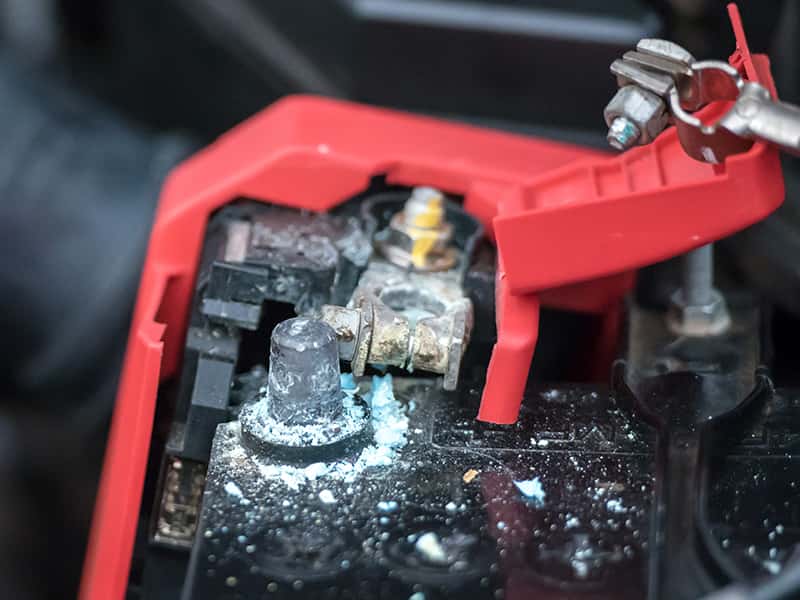
How Often You Actually Need a New Car Battery
The short answer is every 3 to 5 years. That is the range nearly everyone agrees on, and it holds up across climates and driving styles. Once you get past 5 years, you are on borrowed time, even if the battery seems fine, which is why a lot of manufacturers just recommend planning on a replacement around the 5-year mark.
That said, the type of battery in your car changes the math. A standard lead-acid battery lasts about 3 to 5 years. The newer AGM (Absorbent Glass Mat) batteries, which a lot of modern vehicles use, last more like 4 to 7 years. EFB (Enhanced Flooded Battery) batteries land in between at about 4 to 6 years. If your car has stop-start technology or a lot of electronics, it likely takes one of these newer types, and putting the right one back in matters for how long it lasts.
What Kills Car Batteries
You would assume Minnesota winters are brutal on a battery. They are tough, but not in the way most folks expect. It is actually heat that does the long-term damage.
Batteries tend to last longer in cooler midwest climates, often five years or more, while in hot southern states 3 years is more typical. So living here is genuinely working in your favor on battery life.
The catch is that winter is when a weak battery finally gets exposed. Cold weather makes your engine harder to crank, which demands more from the battery right when an aging one has the least to give. So a battery can coast through summer with no trouble and then die on the first really cold morning. The cold does not slowly kill the battery so much as it reveals the one that was already on its way out. That is why the smart move here is to get an older battery tested heading into winter, not after it strands you.
A few things shorten a battery’s life, and some of them are easy to avoid once you know about them. Short trips are a big one, and a sneaky one. Starting your engine pulls a lot of power, and a quick drive does not give the alternator enough time to put that charge back. Lots of short hops under about 20 minutes, day after day, slowly drains a battery instead of topping it off. If most of your driving is short runs around town, your battery works harder than you would think.
Extreme heat, sitting unused for long stretches, and electrical drain all take a toll too. So does vibration. The internal parts of a battery break down when it bounces around, so a loose or missing hold-down bracket can shorten its life more than you would expect. It is a small thing that is worth having checked.
The Warning Signs to Watch For
Batteries usually fade rather than fail all at once, so there are tells. The common ones are headlights that look dim, especially when the car is idling, a slow or sluggish crank when you start the engine, a clicking sound when you turn the key, and electrical components acting up. If you notice any of these, especially on a battery that is a few years old, get it tested sooner rather than later.
The good news is you do not have to go out of your way for it. A battery check is included with your service appointment at Walser, so any time you come in for routine maintenance, we are already keeping an eye on it, and a fading battery usually gets caught during a visit you were making anyway. That early catch matters for more than just avoiding a dead start. When a battery can no longer hold a proper charge, it forces other parts of your car, like the alternator, to work harder to make up for it, and left long enough that can turn a simple battery replacement into a bigger, pricier repair.
No one likes guessing at a repair bill.
If you want a sense of what a replacement runs before you come in, our guide on how much a car battery replacement should cost walks you through it.
The Bottom Line
Car batteries have a sense of humor. They never die in your driveway on a 75° and sunny afternoon. They wait for the coldest morning, when you are late, holding coffee, and not amused by the side quest. Plan on replacing it every 3 to 5 years and get an older battery tested before winter rather than trusting it to make it through that next trip.
And if you are not sure how old your battery is or whether it has another season left in it, just ask. A quick test is an easy thing for a service team to do, and it is a lot better than finding out the hard way on a cold morning when you are already running late.
Schedule a Checkup
Schedule a checkup at one of our Walser locations today.
Service offerings vary by Walser location. Check with your local store for what’s included.
 What It Means to Live in a Severe Weather State: Minnesota Edition September 16, 2025 When you hear the phrase “severe weather state,” it might sound a little overly-dramatic. But, if you’ve lived in Minnesota long enough, you know it’s just a way of life.…
Maintenance, Minnesota, Safety
 Avoid the Sticker Shock. Buy Now Before Tariffs Take Effect! March 31, 2025 Major auto tariffs are set to take effect on April 3, and industry experts predict that new vehicle prices could rise by thousands. If you’ve been thinking about buying a…
New Vehicles, News, Used Vehicles
 5 Signs You Need Brake Service (And What It Costs to Wait) August 7, 2026 Brake problems don't announce themselves loudly until they're serious. A small issue left unaddressed can quickly become an expensive repair. But here's the good news: if you catch the warning…
Service, Tire Changes & Replacement
 How to Change a Tire (Including When the Lug Nuts Won’t Budge) June 29, 2026 A spare tire is only useful if you know how to put it on, and that is worth learning before the day you actually need it. The job is straightforward:…
How-to, Safety, Service