

A Small Adjustment That Makes a Big Difference: Wheel Alignments Explained
Have you ever felt your car drift a little to the left and wondered, “Is it windy… or is my car trying to take the next exit without me?” It happens to the best of us. It can be a fleeting thought, and you’re likely not one to get hung up on wheel angles. But here’s the thing: understanding what a wheel alignment does, and when you need one can save you money, keep your ride smooth, and help your tires last significantly longer.
And in Minnesota? It matters even more.
If you’ve lived here long enough to experience the trials and tribulations of winter, you know severe weather is just a reality. One week you’re dodging diabolically large potholes; the next you’re navigating black ice, slush, and freshly formed spring cracks in the asphalt. Our roads keep us on our toes, and they keep our wheels out of alignment.
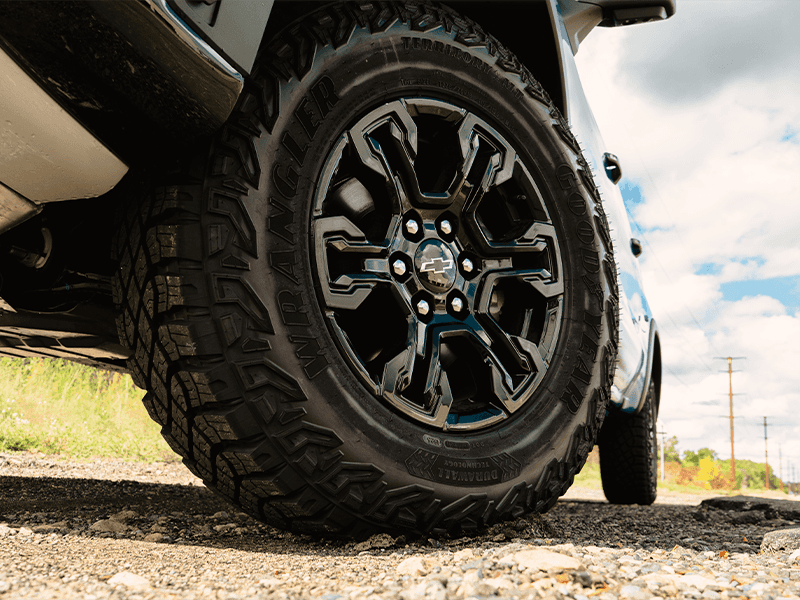
What is a Wheel Alignment?
A wheel alignment ensures your wheels are positioned at the correct angles, allowing your vehicle to drive straight and handle properly. But let’s break that down just a bit more.
A proper alignment adjusts three key angles:
- Toe: Think of your feet pointing slightly inward or outward. Wheels can do that too. Toe alignment ensures your tires point straight ahead instead of “pigeon-toed” or “duck-footed.”
- Camber: This is the inward or outward tilt of your wheels when viewed from the front. A little camber is normal, but too much can make the inside or outside edge of your tires wear down fast.
- Caster: This angle supports steering stability. Positive caster helps your car track straight and gives your steering wheel that “return to center” feel after a turn.
When these three angles are correctly set, your wheels all work together exactly the way the manufacturer intended. The result? Smooth, predictable steering, even tire wear, better fuel efficiency, and a car that doesn’t wander, wobble, or feel unstable. Even if you’re not too mechanically savvy, you’ll feel the difference behind the wheel.
How Do You Know When You Need an Alignment?
Don’t worry, it’s not complicated. Your vehicle will usually give you clues:
- The car pulls to one side
- Your steering wheel is off-center even when driving straight
- Uneven tire wear (one side is wearing faster)
- Your steering feels loose or unstable
- You feel vibration through the wheel
Sometimes the cause is obvious, like hitting a curb or bouncing through a pothole you didn’t see until it was too late. Other times it happens gradually over time, especially with the freeze-thaw cycles that Minnesota roads put us through.
Why Minnesota Drivers Need Wheel Alignments More Often
Between snow, slush, salt, ice, potholes, road construction, and the occasional mystery crater that appears overnight, our roads take a toll on your suspension. Rust can attack your suspension and undercarriage, while snow and ice buildup create additional weight, can alter wheel balance, and force components out of position.
Even small impacts can shift things out of place. Once those things shift, they don’t magically shift back.>
Driving with poor alignment for an extended period can:
- Wear down your tires prematurely
- Reduce fuel efficiency
- Make your car harder to control
- Stress other suspension components
A quick alignment can prevent much bigger (and more expensive) issues down the line, especially before and at the end of a ferocious winter season. Compared to the cost of new tires or suspension part replacement, an alignment is a pretty small investment.
How Often Should You Get a Wheel Alignment?
Most vehicles benefit from an alignment about once a year, or every 10,000 to 12,000 miles. You may need one sooner if you:
- Hit a pothole hard
- Frequently drive on rough roads
- Notice uneven tire wear
- Install new tires
- Have suspension work done
- Find yourself fighting the steering wheel regularly
Think of it as a routine checkup. Small, simple, and designed to catch problems early.
What Happens During an Alignment?
When you bring your vehicle to a Walser dealership, our certified technicians use digital alignment machines that measure your wheel angles with pinpoint accuracy. These systems compare your vehicle’s current alignment to the manufacturer’s exact specifications. Then your technician will:
- Adjust toe, camber, and caster
- Recheck suspension components
- Ensure the steering wheel is centered
- Test-drive the vehicle for feel and stability
It’s a precise process. But for you, it means peace of mind and a noticeably better driving experience.
Ready for a smoother, straighter drive?
A wheel alignment may be a small service, but it has a big impact on safety, comfort, and long-term costs, especially here in Minnesota. If your car isn’t driving quite like it used to, or if your tires are wearing unevenly, it might be time to get things checked out.
You can schedule a wheel alignment at any Walser dealership across Minnesota. Our teams are here to help make sure your vehicle stays safe, predictable, and ready for whatever weather rolls in next, even if it changes three times before lunch.
 What It Means to Live in a Severe Weather State: Minnesota Edition September 16, 2025 When you hear the phrase “severe weather state,” it might sound a little overly-dramatic. But, if you’ve lived in Minnesota long enough, you know it’s just a way of life.…
Maintenance, Minnesota, Safety
 5 Signs You Need Brake Service (And What It Costs to Wait) August 7, 2026 Brake problems don't announce themselves loudly until they're serious. A small issue left unaddressed can quickly become an expensive repair. But here's the good news: if you catch the warning…
Service, Tire Changes & Replacement
 How to Change a Tire (Including When the Lug Nuts Won’t Budge) June 29, 2026 A spare tire is only useful if you know how to put it on, and that is worth learning before the day you actually need it. The job is straightforward:…
How-to, Safety, Service
 I Hit a Pothole… Now What? April 24, 2026 Ever hit an unexpected pothole and immediately turn down your music to “listen” to your car? That sudden thud, the quick glance at your dashboard with pursed lips, the internal…
Service, Tire Changes & Replacement, Wheel Alignment